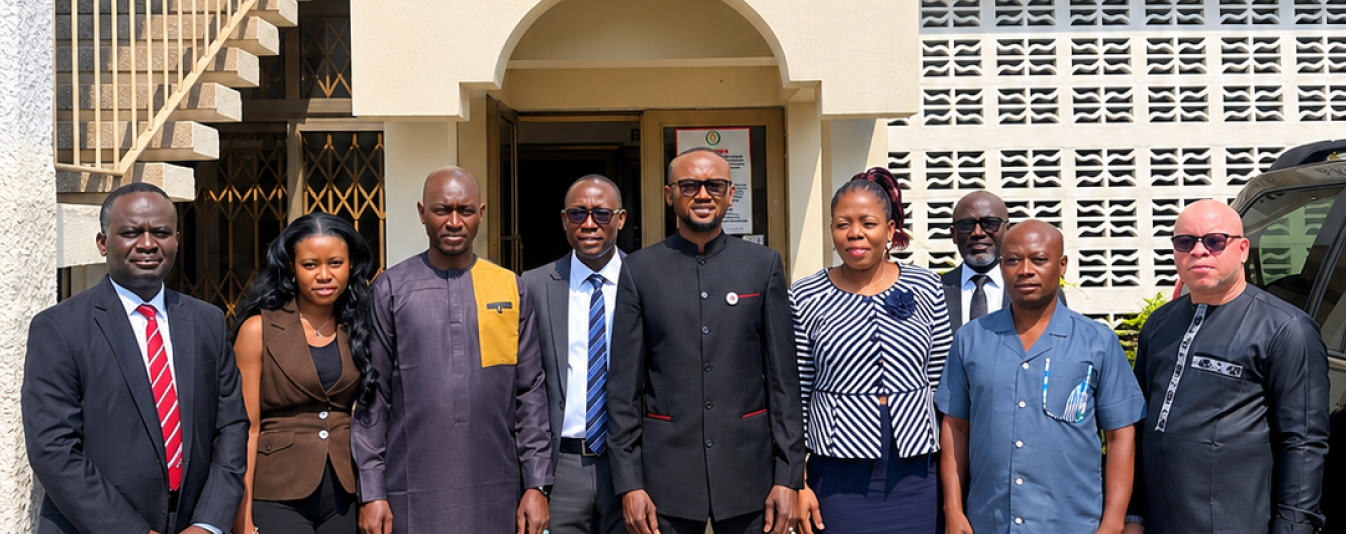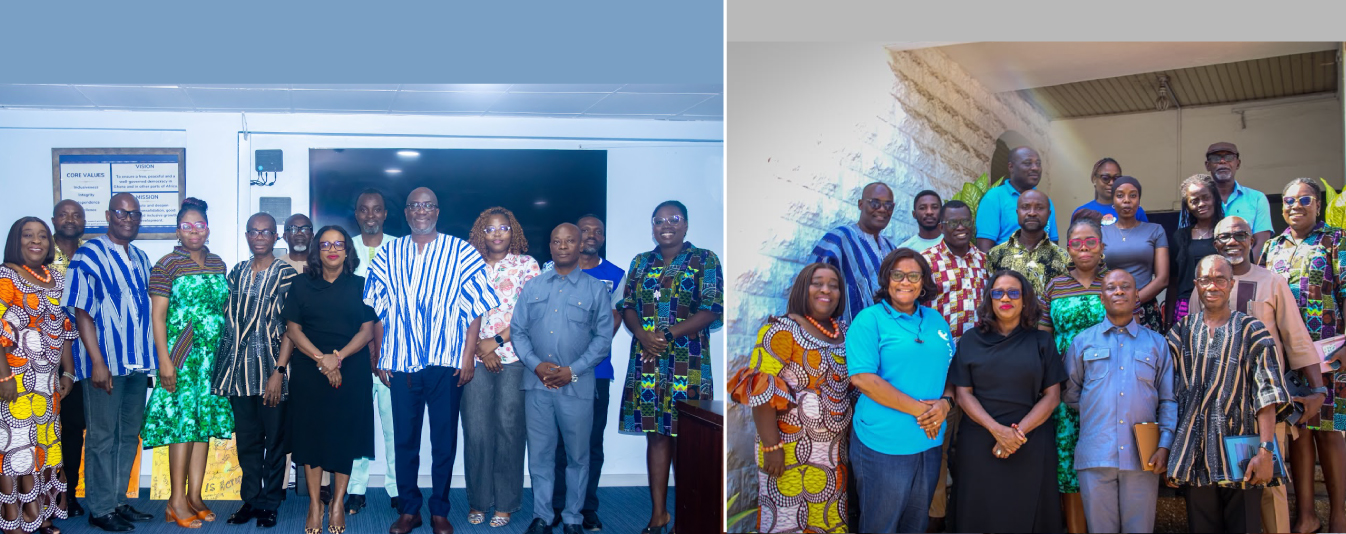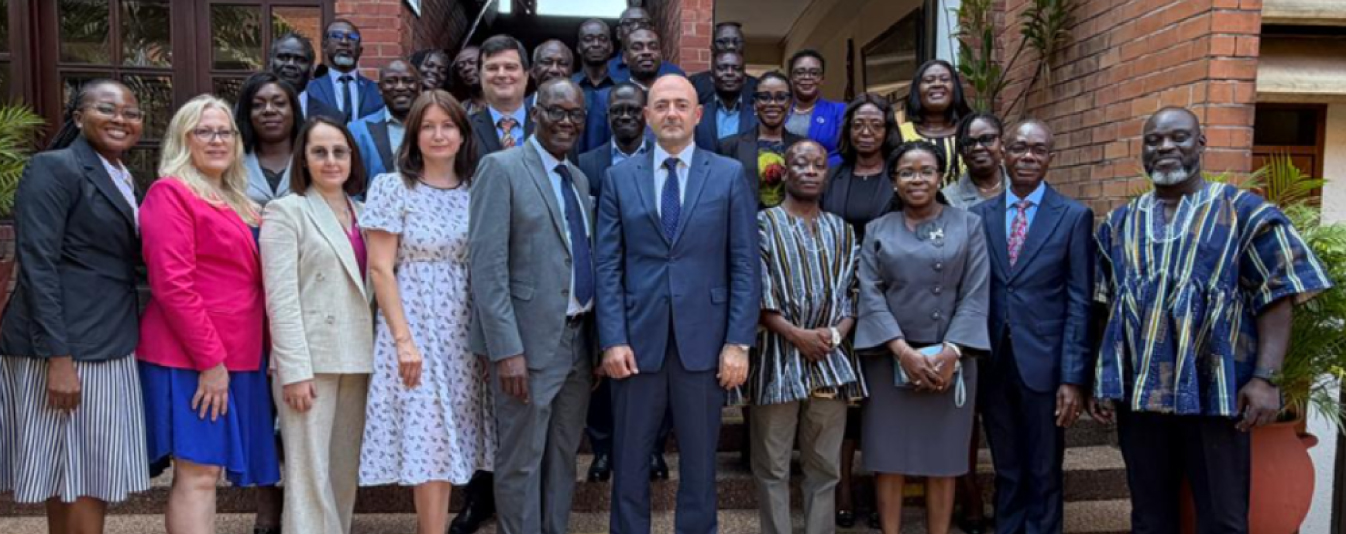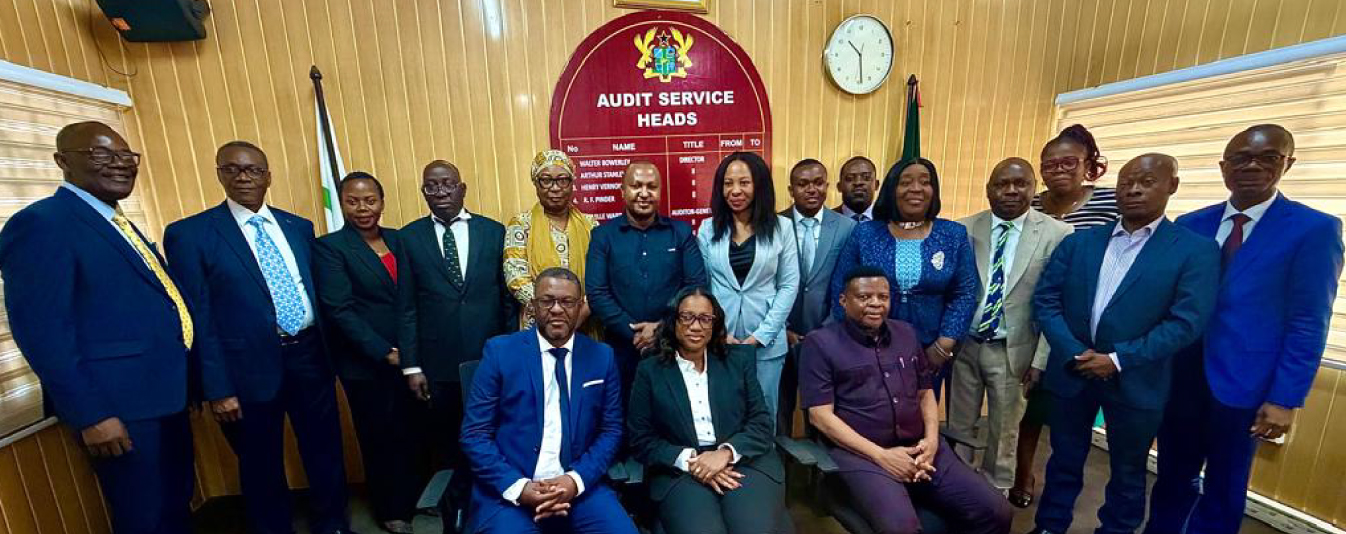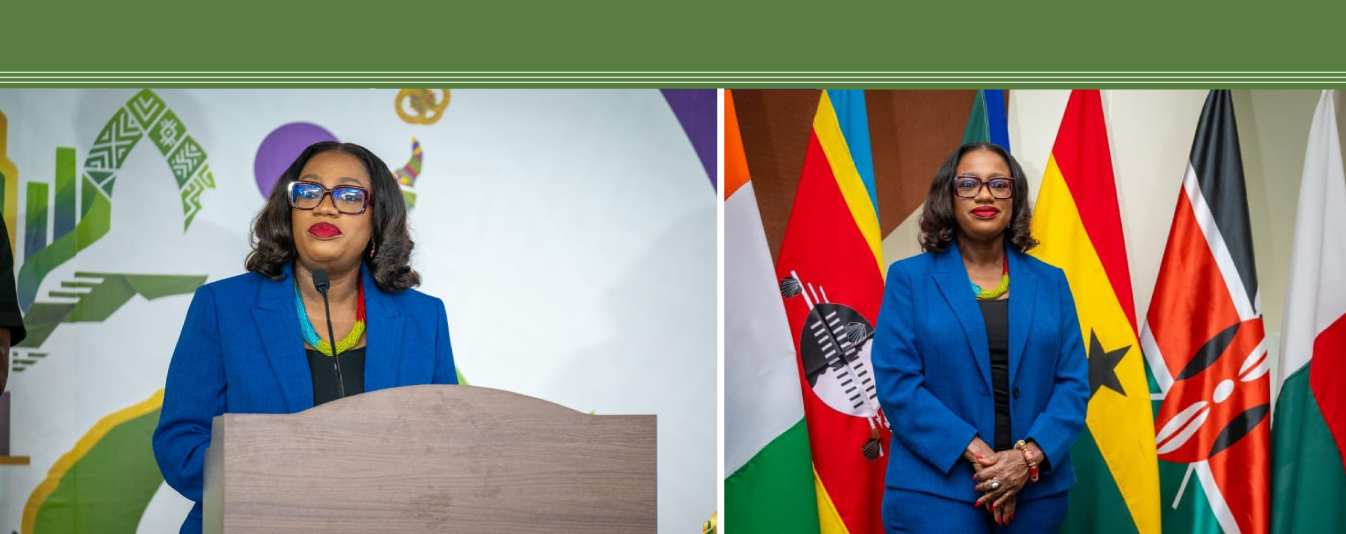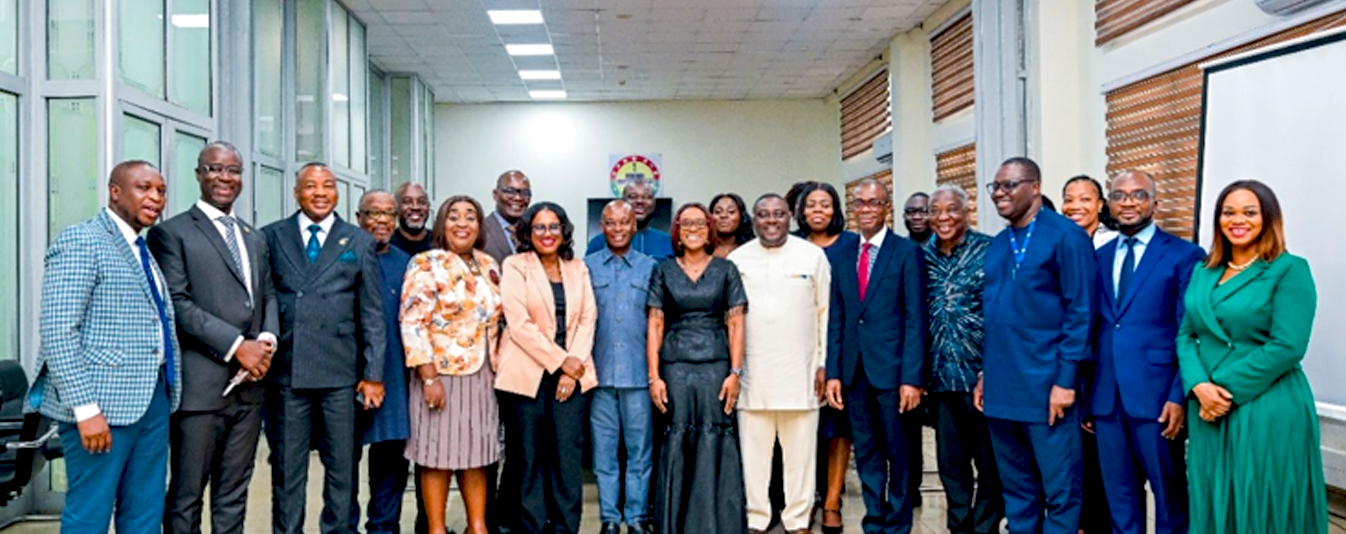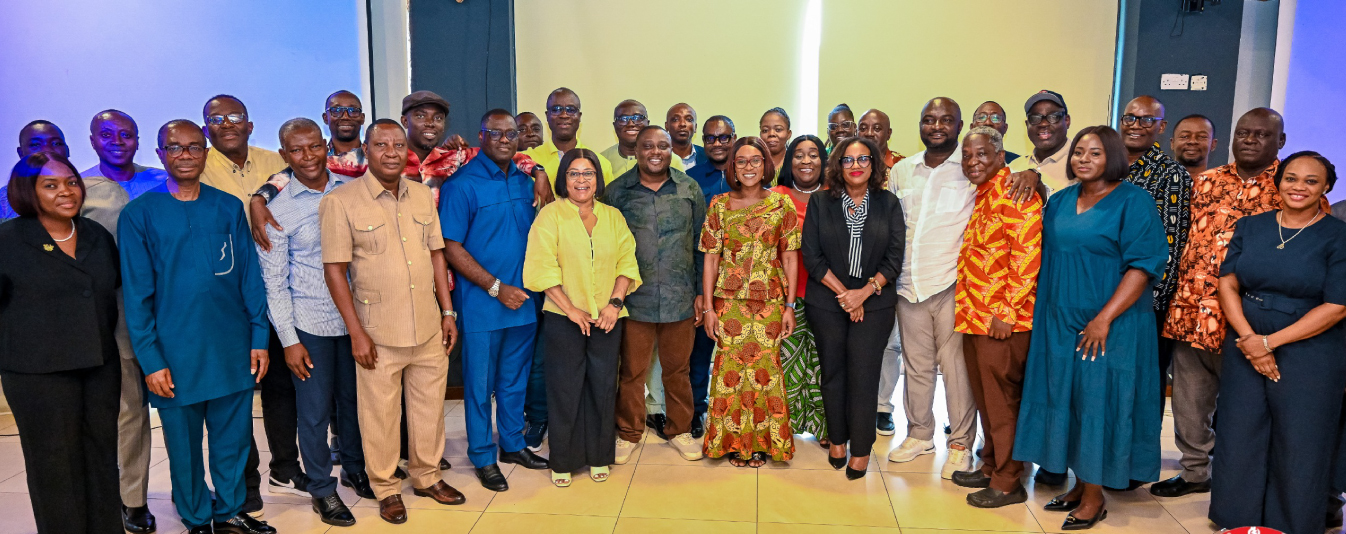
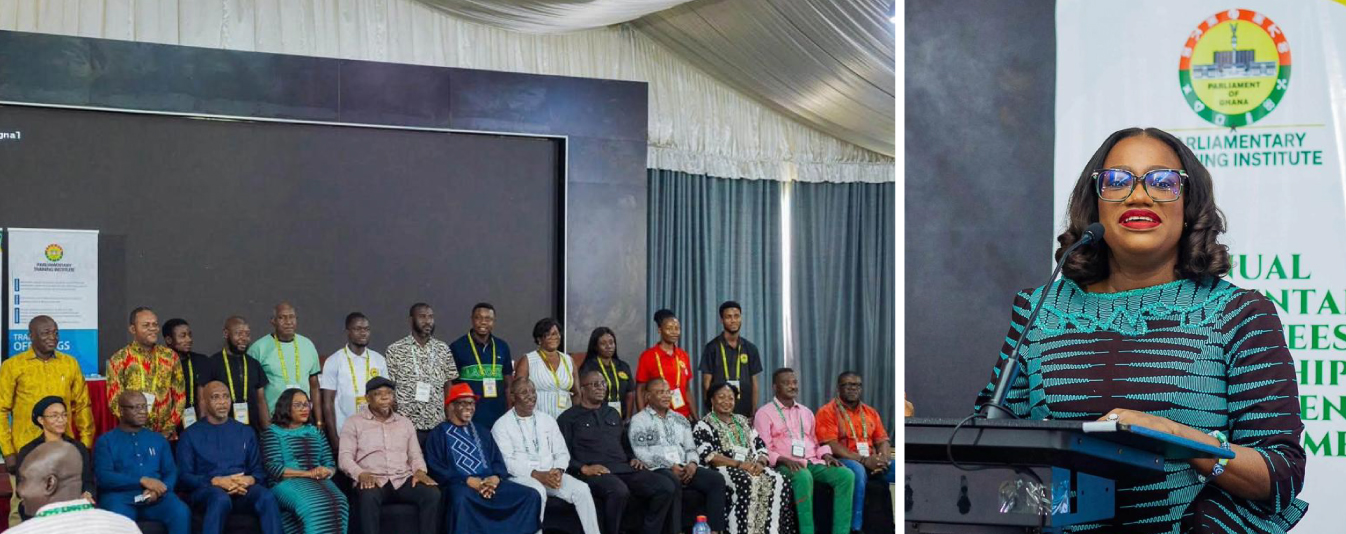
The Auditor-General (A-G), Dr. Pamela Graham has urged the leadership of Parliamentary Committees to work collaboratively to bring about greater impact and accountable governance since the duties of Parliamentary Committees are interconnected with each other Committees’ [duties], hence the need to collaborate more to enhance parliamentary oversight.
The A-G reminded members of the various Committee leaders that among the three arms of government, Parliament “is the institution the people trust [most] to question public accountability”. While acknowledging that the responsibilities of parliamentary committees may be varied, they are equally interconnected for which reason she appealed to them “not to work in silos”.
Dr. Pamela made the call at the opening session of the 2026 Annual Parliamentary Committees Leadership Training organised by the Parliamentary Training Institute in Accra. The theme for the three-day training was “Enhancing Committee Leadership For Effective Parliamentary Governance”.
Speaking on the topic; ‘Parliamentary oversight and Public accountability’, Dr. Pamela said “it is imperative that committees do not work in silos” but must be intentional about first understanding what the other Committees do so that they could draw on the work of one another where necessary. She continued, “a more coordinated and comprehensive approach to oversight can be achieved” to strengthen the effectiveness of public accountability, stating that “oversight, no matter how rigorous, only has value when it results in accountability”.
Dr. Pamela recounted that in the Auditor General's 2025 Report on the Public Accounts of Ghana: Ministries, Departments and Other Agencies, which was submitted to Parliament in June 2026, “10 State-Owned Enterprises (SOE's) were cited as owing the Government, GH¢3billion in taxes. Between June 30th, 2026, when this report was submitted and October 2026, when the Public Accounts Committee (PAC) sat, the Ghana Revenue Authority (GRA) reported at the sitting that almost GH¢2billion (67%) had been recovered”.
She posed these questions for reflections by the members:
- Is the Public Administration and State Interest Committee, responsible for State-Owned Enterprises and state assets, aware of this?
- Is the Finance and Budget Committees responsible in part for scrutinizing government revenue aware of this? Is the committee trying to understand the root cause, so that all Government revenue is properly accounted for?
- Are the Sectorial Committees aware of this additional revenue of GH¢3billion to fight for?
- Is PAC itself referring issues from its work to other relevant Committees for follow-up?
There is still one billion Ghana cedis of these taxes to collect from the10 SOE’s, she observed.
Dr. Pamela reminded the members that “the reports of the Auditor-General are a key resource for Parliament in the discharge of its oversight responsibilities, noting that “through our audits, we provide independent information on the management of public resources, drawing attention to financial irregularities, weaknesses in internal controls, non-compliance with established procedures and deficiencies in the administration of public programmes. Where similar irregularities continue to appear, it is important to understand why previous corrective measures have not worked and served as a basis for deeper examination of systemic issues”.
She disclosed that Audit Service is committed to supporting Parliament in its oversight role. In line with this, the Service has developed an audit recommendation implementation monitoring tool (the E-Tracker), which enables monitoring of audit recommendations and the status of actions taken to address key issues in the reports. She stated that “the platform provides an opportunity to keep outstanding matters visible, monitor progress and identify recommendations that have remained unresolved”. She therefore urged members of the various committees to “make greater use of the information generated through this system in supporting parliamentary follow-up”.
The Auditor-General appealed to the Committees to identify the issues that pose risks to public resources and service delivery stating that “Parliament must direct attention to matters that require urgent intervention, maintain continuity in their work, [and] pursue outstanding issues until satisfactory progress is demonstrated.
Dr. Pamela emphasized the important role committees play in parliamentary oversight and passionately appealed to members to examine audit findings, pursue implementation of audit recommendations, and where public resources are at risk, Parliament must continue to follow through until results are achieved to attain public accountability.
The Speaker of Parliament, Rt. Hon. A. S. K. Bagbin who opened the workshop urged members to develop their skills, work collaboratively devoid of partisanship, and pursue the interest of the public at all levels.
The training is aimed at increasing the effectiveness of leaders of Parliamentary Committees. The various Committees provide the institutional mechanisms through which Parliament undertakes detailed legislative scrutiny, exercise oversight of public institutions, examine national polices and ensure accountability in governance.