The Audit Service has called for more accurate and responsible media reporting on the Auditor-General’s reports.
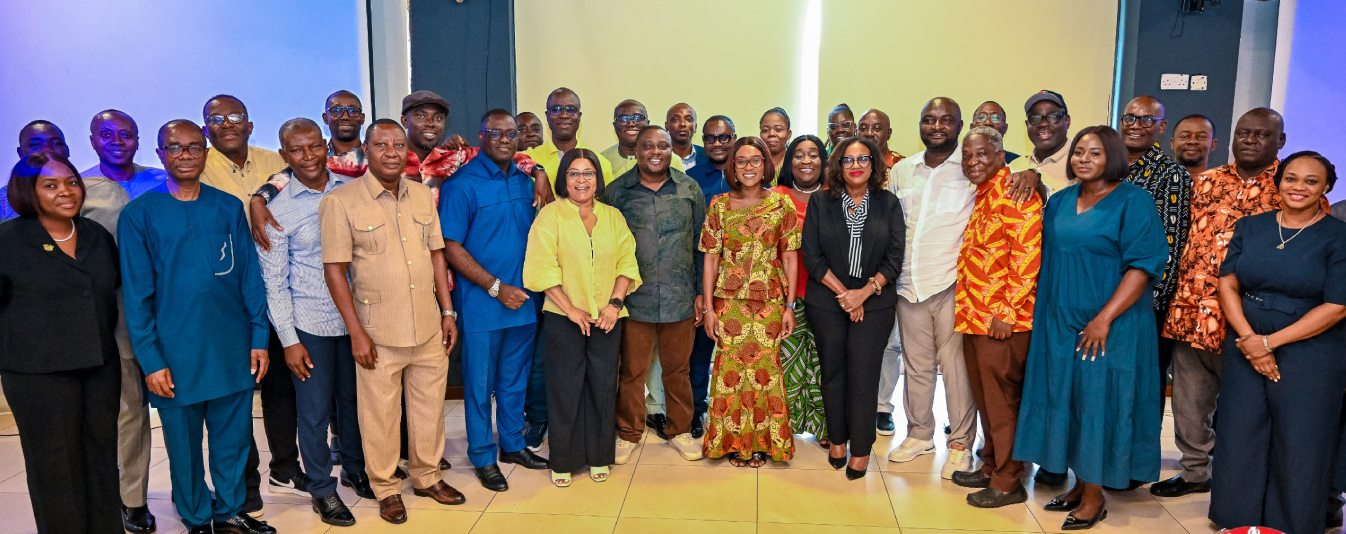
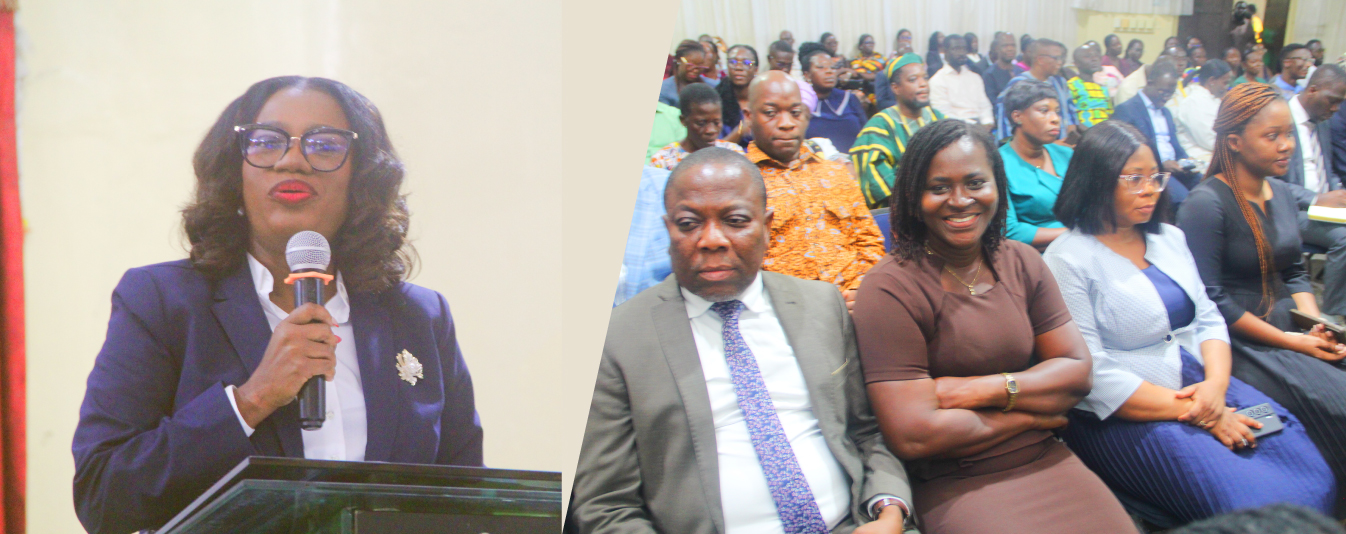
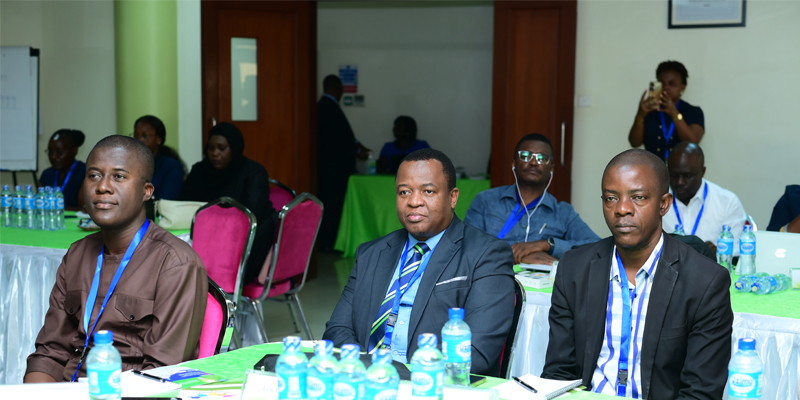
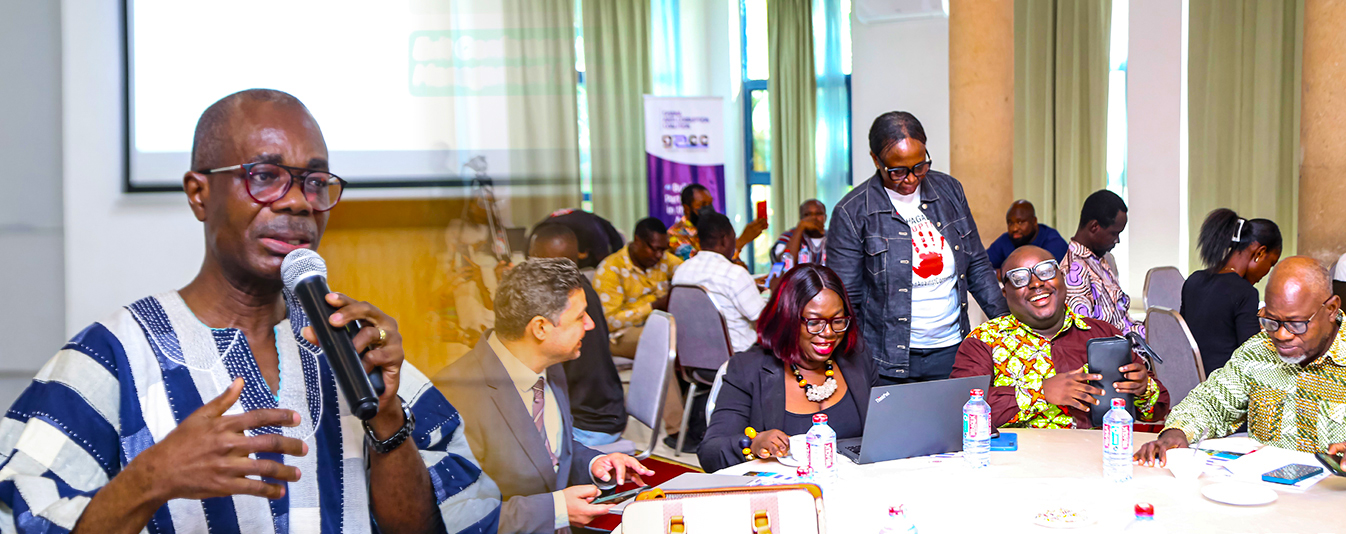
This call was made by the Assistant Director of Audit and Information Officer, Mr. Frederick Lokko, during a national capacity-building workshop for journalists held in Accra.
The workshop was organised by the Ghana Anti-Corruption Coalition (GACC) in partnership with Transparency International Ghana, the Africa Centre for Energy Policy (ACEP), and the British High Commission.
The initiative provided a platform for the Service to engage journalists and deepen their understanding of audit reports, ultimately promoting informed and accurate public discourse.
Mr. Lokko commended the media for its vital contribution to Ghana’s democratic development but expressed concern over recurring misreporting—particularly on cash irregularities—which often fuels public misunderstanding. He clarified that an irregularity, in audit language, simply refers to an action that breaches the law and does not necessarily mean funds have been misappropriated.
He cited examples where transactions conducted outside the GIFMIS system, though not indicative of wrongdoing, must still be reported because they carry monetary value. He therefore encouraged journalists to study the full Auditor-General’s reports, including observations and recommendations, before publishing their stories.
Mr. Lokko also clarified the mandate of the Auditor-General, explaining that the office does not have prosecutorial powers. Its authority is limited to making recommendations and issuing disallowance and surcharge certificates, while enforcement and prosecution are handled by bodies such as the Attorney-General’s Department.
During the workshop, Mr. Samuel Frimpong-Manso and Mr. Thomas Nunoo Assistant Auditors-General, EIDA Southern and Northern Zones respectively, took journalists at the workshop were taken through the various types of audits - financial, compliance, performance, and information systems audits.
Mr. Lokko encouraged the media to pay closer attention to performance audits, which assess how economically, efficiently, and effectively public resources are used. These reports, he said, often highlight issues that directly affect citizens, including lapses in infrastructure and service delivery.
Participants were also introduced to the CitizensEye App by Mrs. Roberta Ntim, Director of Audit. The digital platform that enables citizens to report national concerns directly to the Service. Feedback from the app helps guide and prioritise future audits.
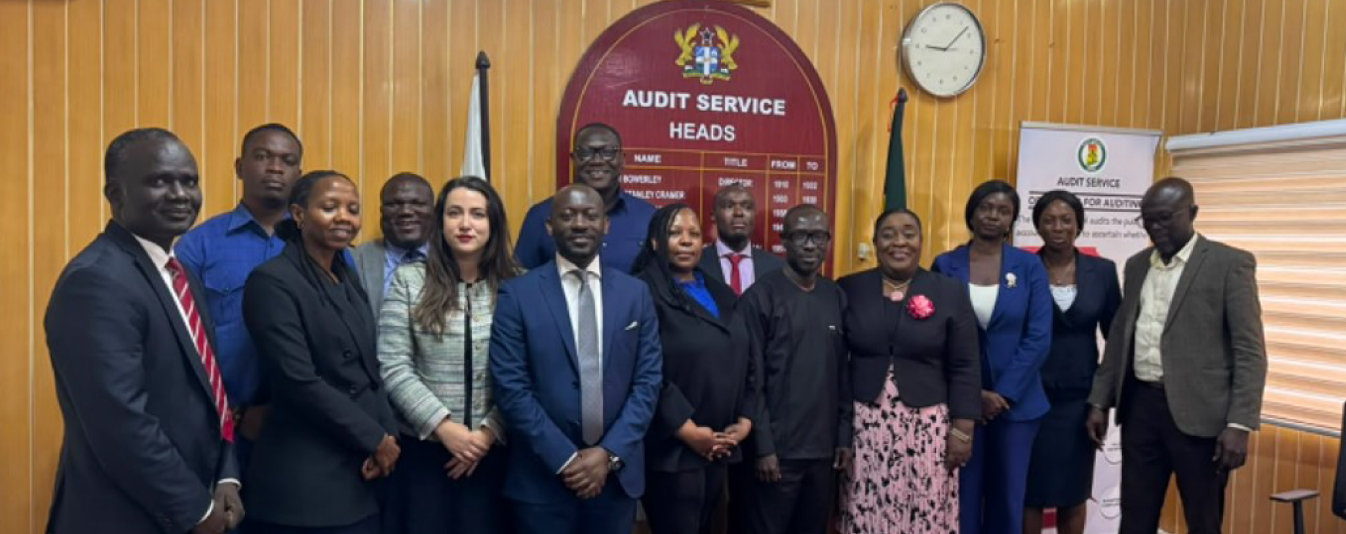
Deputy Auditor-General, PSAD, Mr. Lawrence Ndaago Ayagiba, thanked GACC and partners for organising the workshop, which supported the Service’s efforts to promote transparency, accountability, and stronger collaboration with the media.