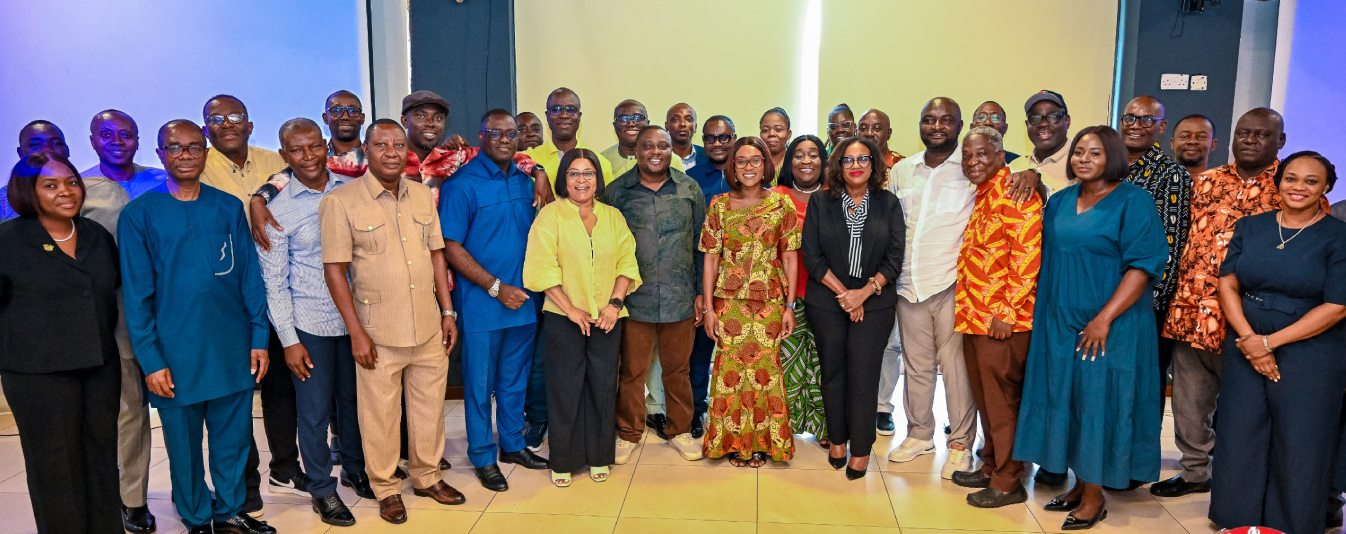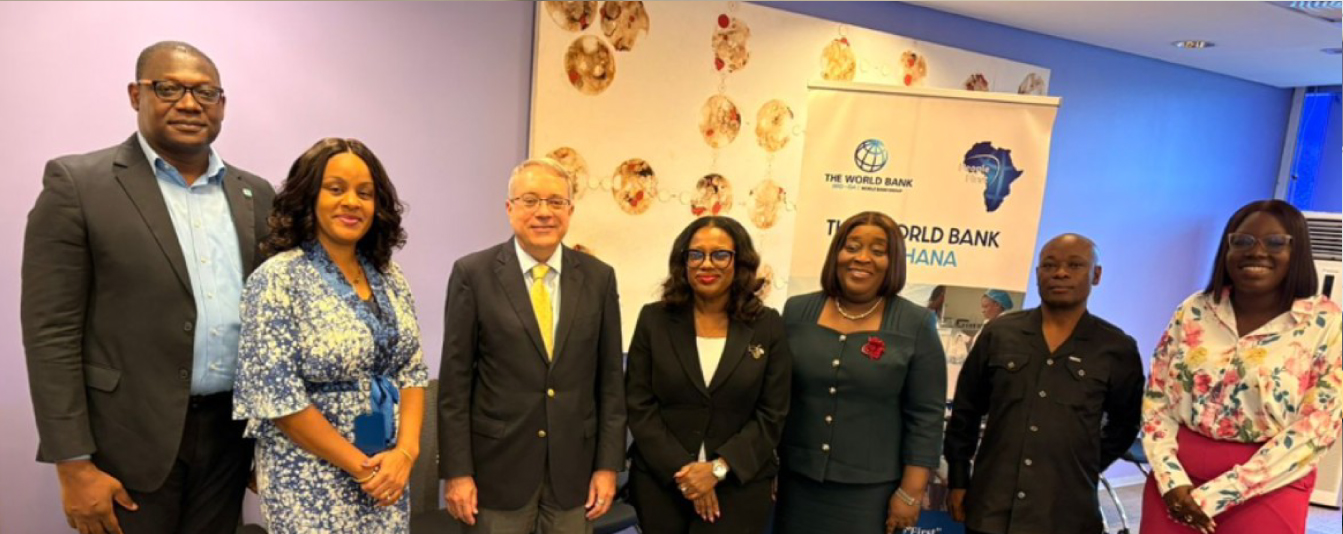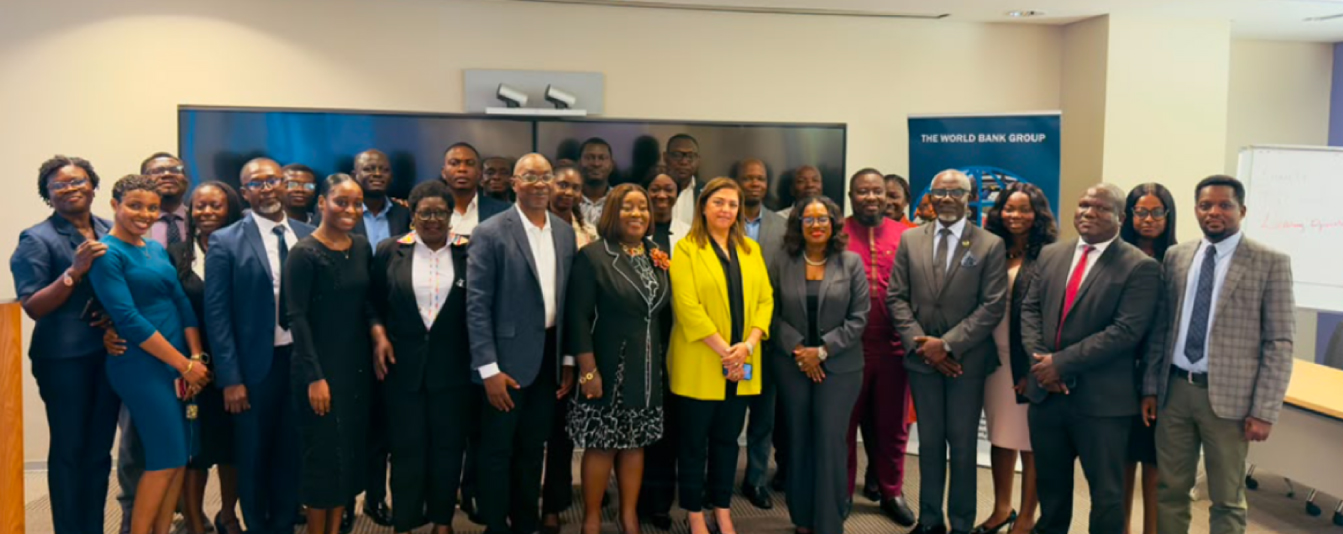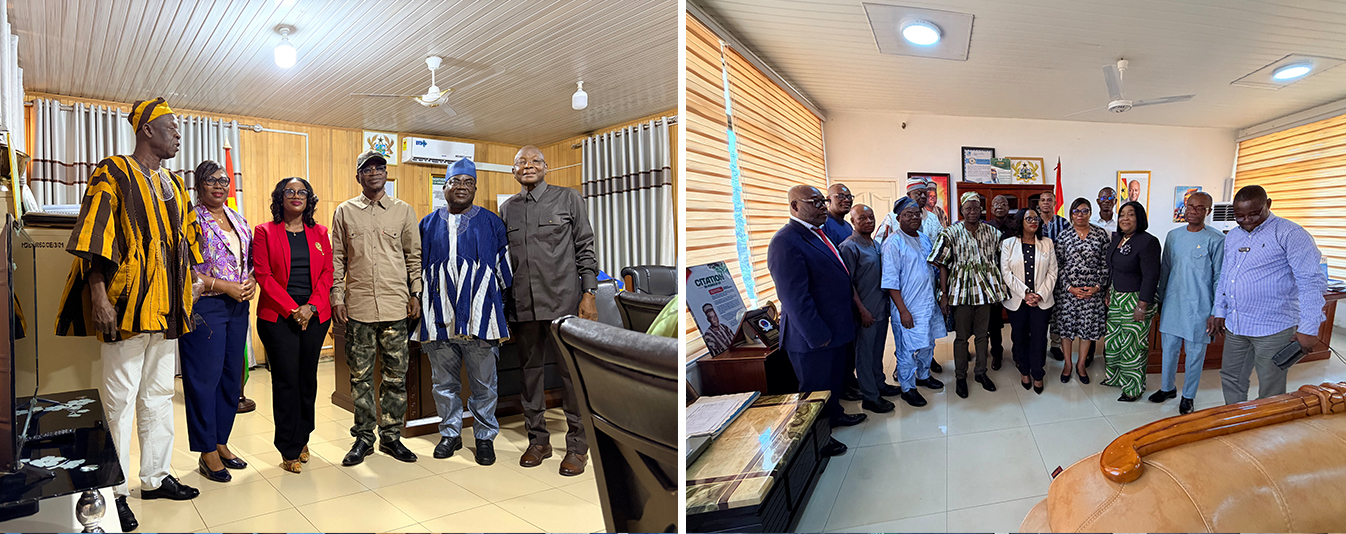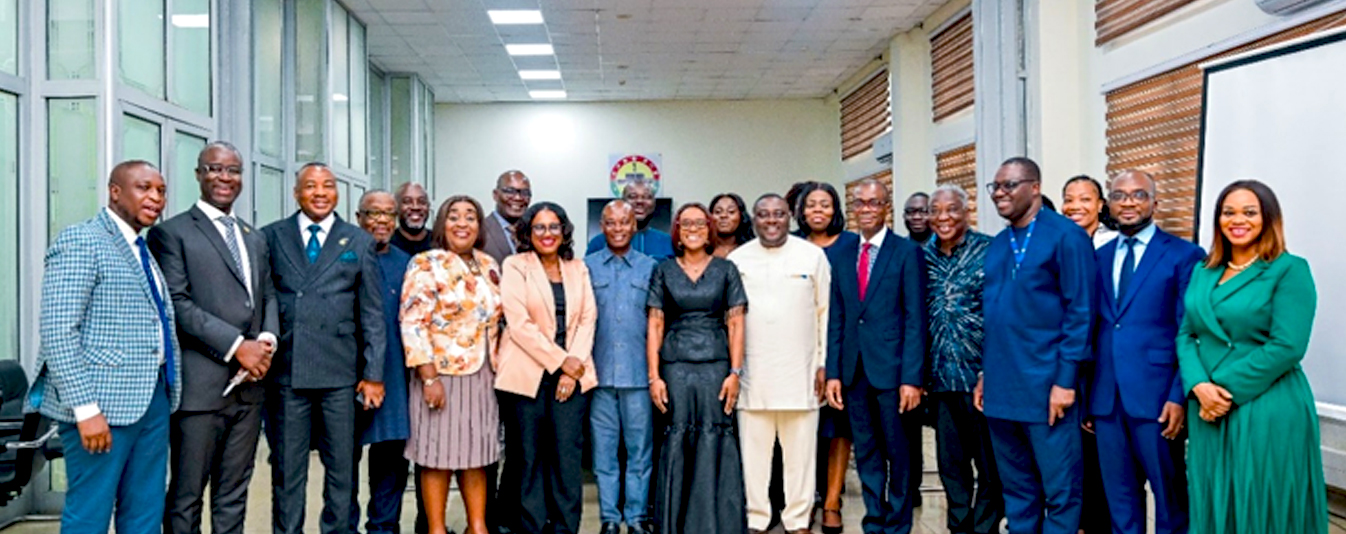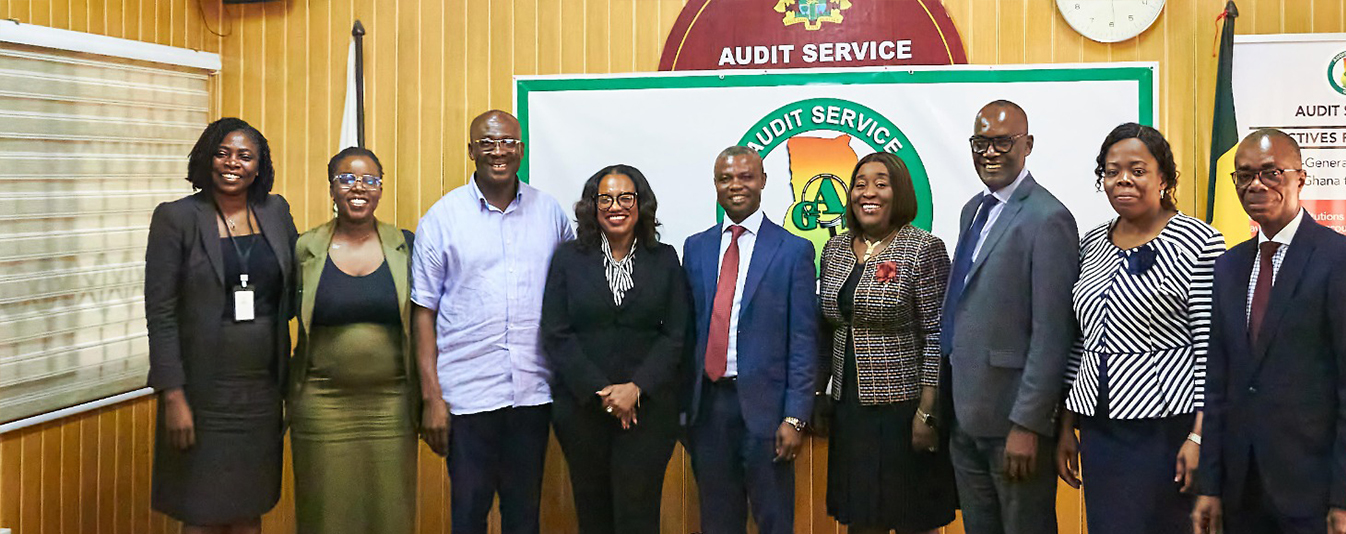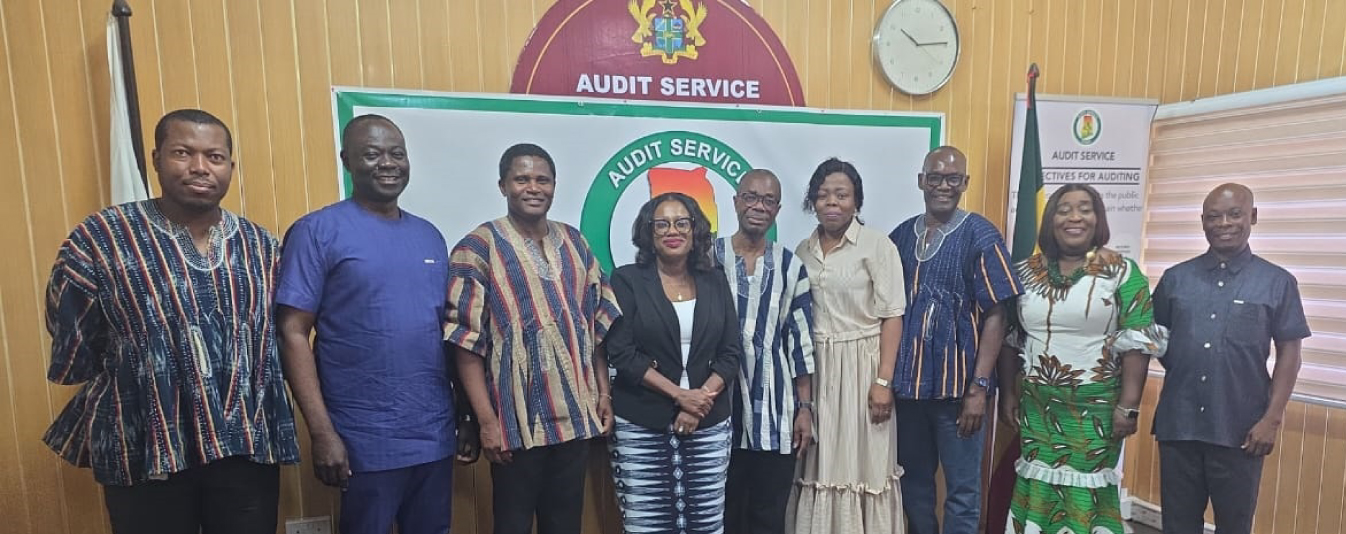
ICAG affirmed their appreciation for the work of the Auditor-General in portraying transparency, probity and equity in the performance of its mandate and acknowledged the need for knowledge sharing especially in public sector auditing.
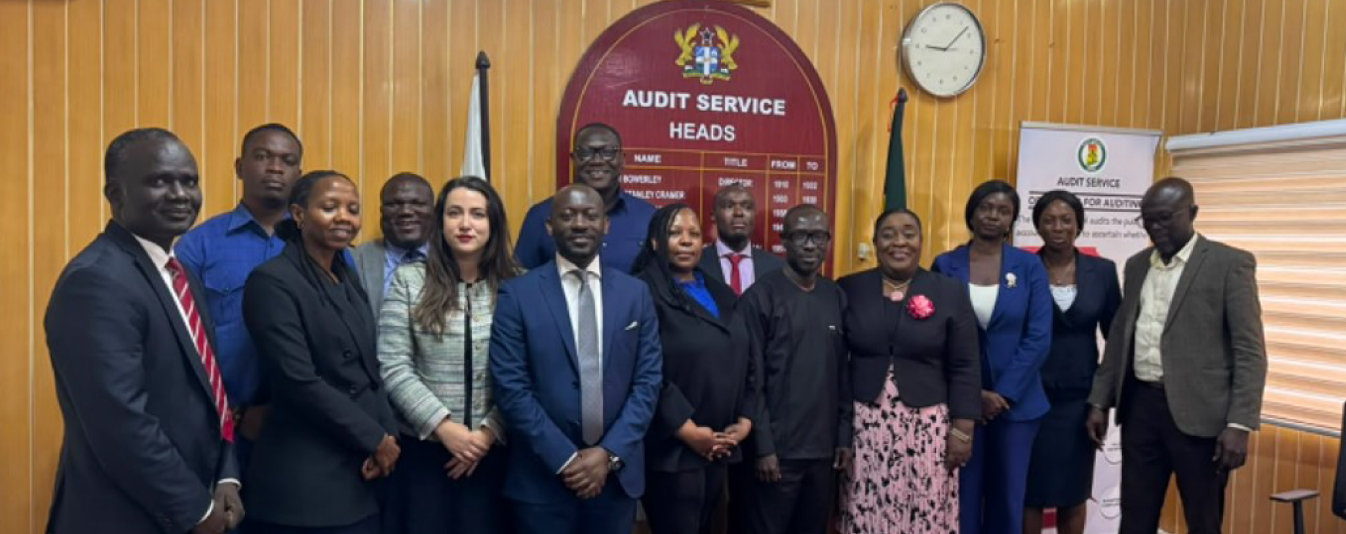
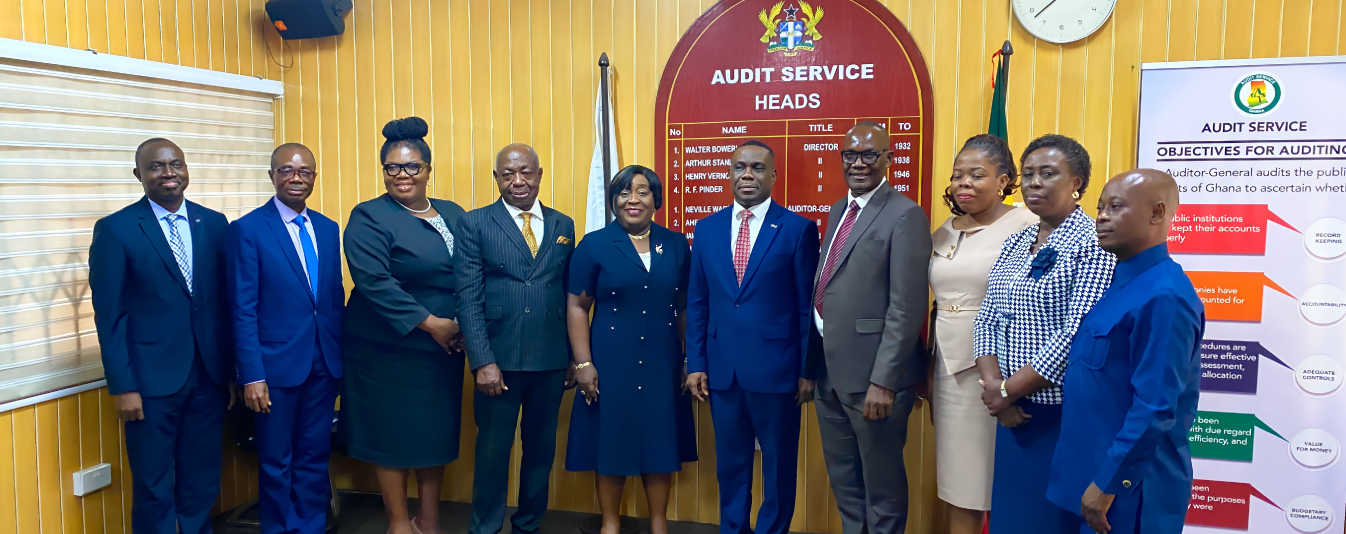
The meeting was necessary to formally introduce the newly appointed Chief Executive Officer (CEO), Mr. Eric Oduro-Osae, and to identify ways for deeper collaboration of mutual interest and identify ways to strengthen public financial management framework of Ghana.
Mr. George Swanzy Winful, the Deputy Auditor-General highlighted some key areas the Institute can collaborate with ICAG with, in his opening speech he acknowledged that the Service could boost of about 600 chartered accountants who had passed through the Institute, showing the confidence the Service has in their product. He further highlighted the following matters for consideration on behalf of the Service which included;
-Identifying ways to draw from the knowledge of retired staff of the Service who would have acquired over 20 years of experience on average in public sector auditing.
-He also requested ICAG to consider special rates for the Service during the organization of its programs such as the Presidential Banquet, annual conferences etc as the numbers from the Service was relatively large.
- Another suggestion that was made was to give capacity building to staff on the accrual method International Public Sector Accounting Standards (IPSAS) as some clients were fully compliant whiles the Service still needed further training in its application and auditing of the method used.
In response, Mr. Eric Oduro-Osae, the CEO of ICAG, stated the Institute had taken note, would investigate the issues identified while agreeing with the suggestions, would respond back in the spirit of collaboration to find solutions.
He mentioned also that feedback gathered from private practitioners supports a review of the fees and charges of the Service and further stated that the Institute had a guideline which would be shared with the Service for its application. Again, reference was made to existing provision in the Company’s Act, regarding contract terms for engagement of an auditor; both parties agreeing to set a standard number of years to enable rotation of private auditing firms the Service engages, for fairness in the accounting and auditing space.
Mr. Oduro-Osae further promised to share any directives on public sector reporting with the Service for early training and adoption of same. Other matters of interest included the reporting structure of State-Owned Enterprises (SOE’s) which were to be properly discussed later with all parties such as the Controller and Accountant General’s Department and State Interests and Governance Authority (SIGA).
The Institute agreed to investigate the possibility of developing a special package that would serve the interest of staff of Audit Service, after elaborate consideration of experience acquired in public sector auditing to award either a practicing license or diploma certificate.
Both parties agreed there was the need to work effectively together to share ideas and experiences which should be developed into an MOU.