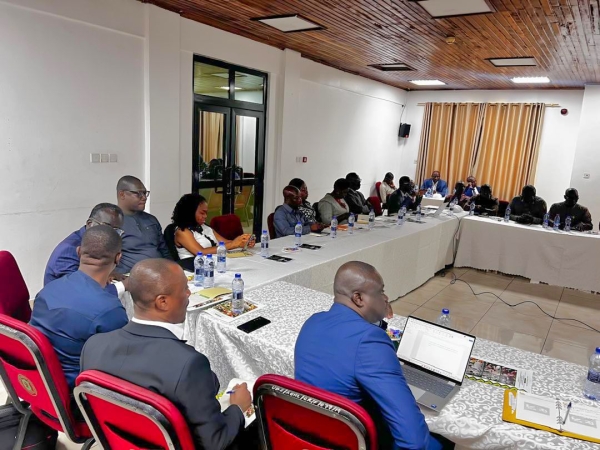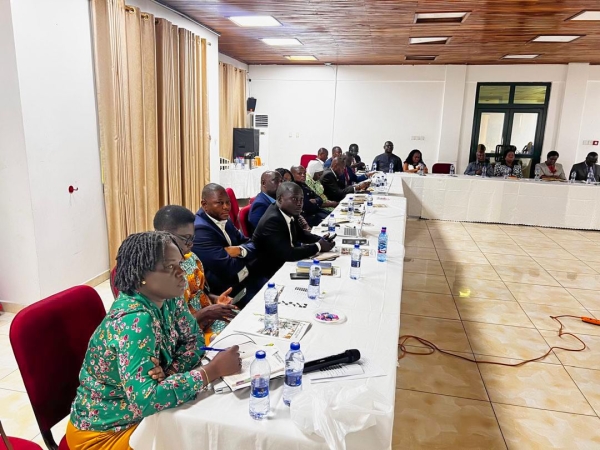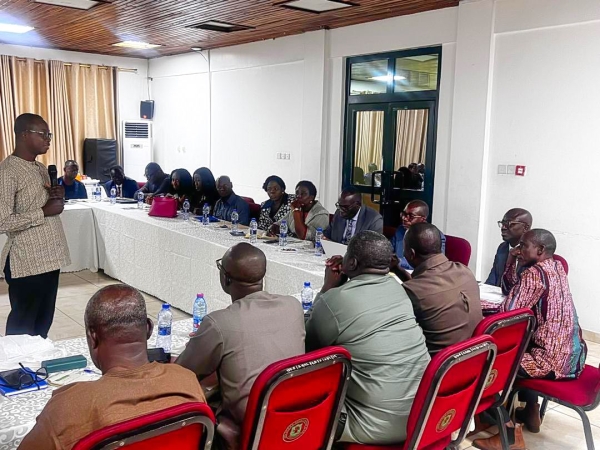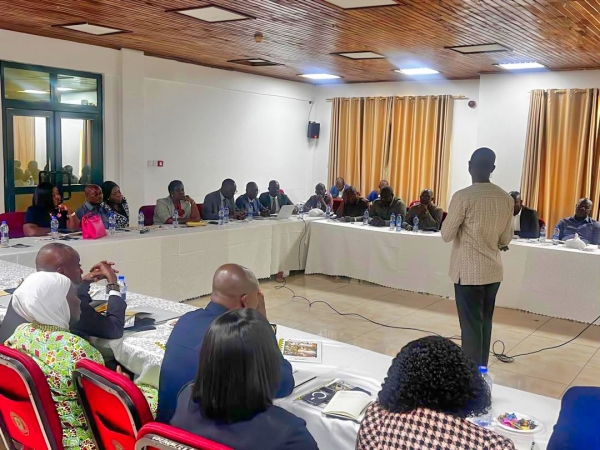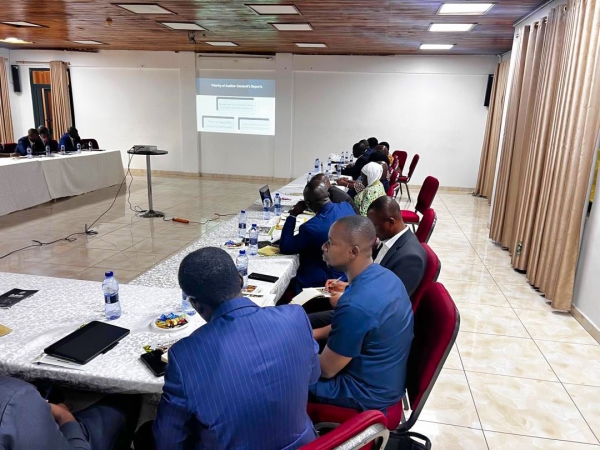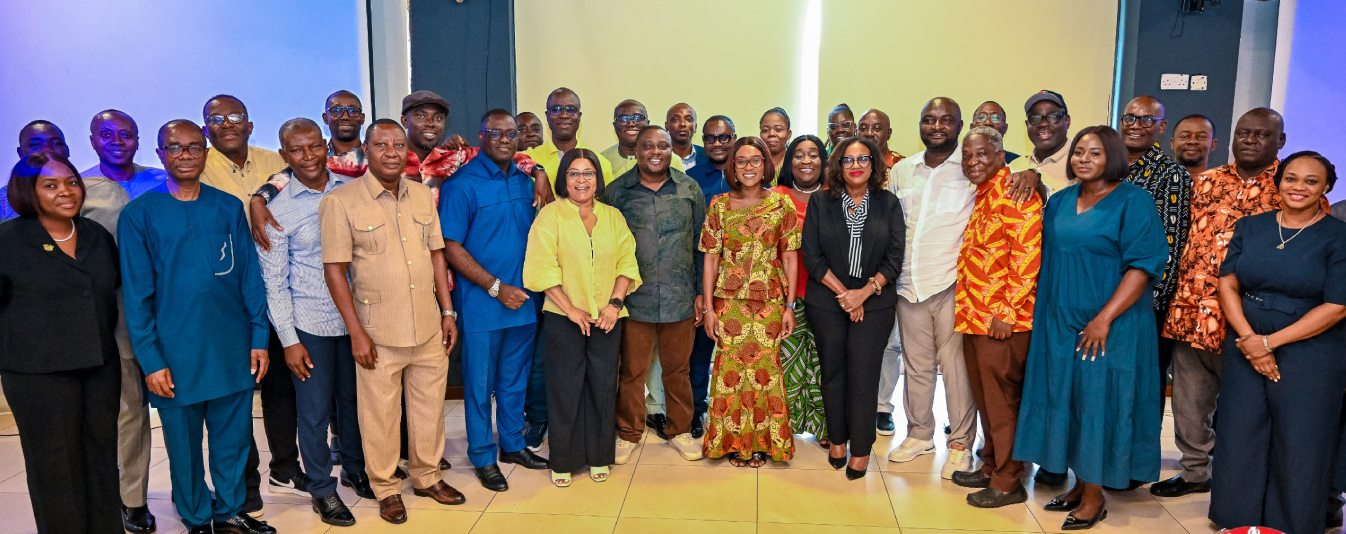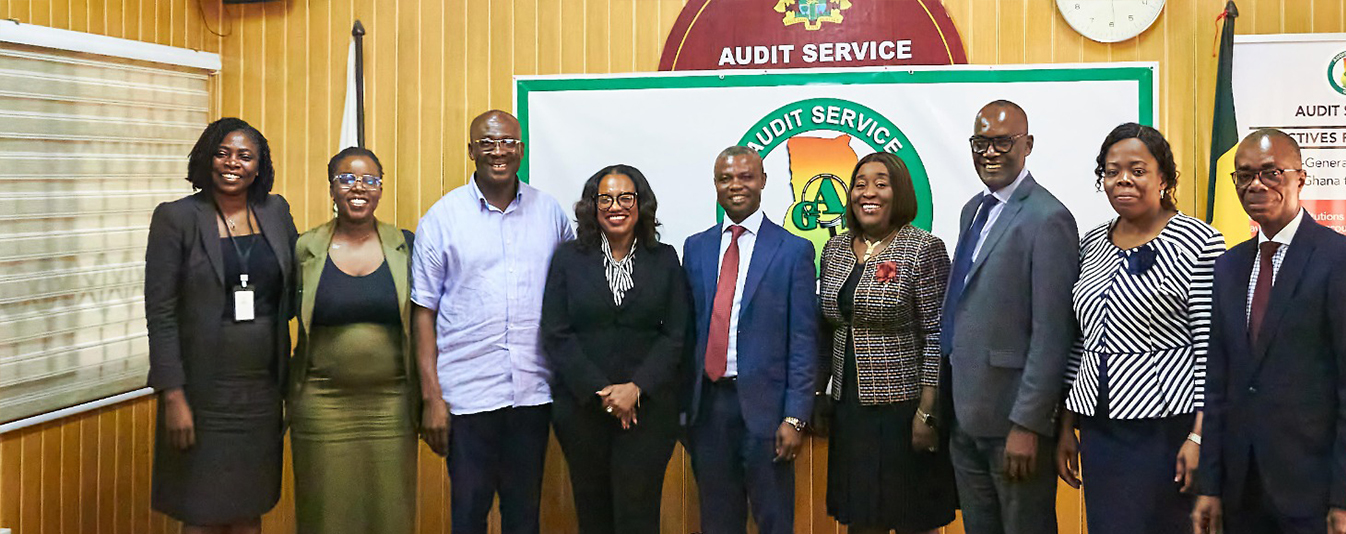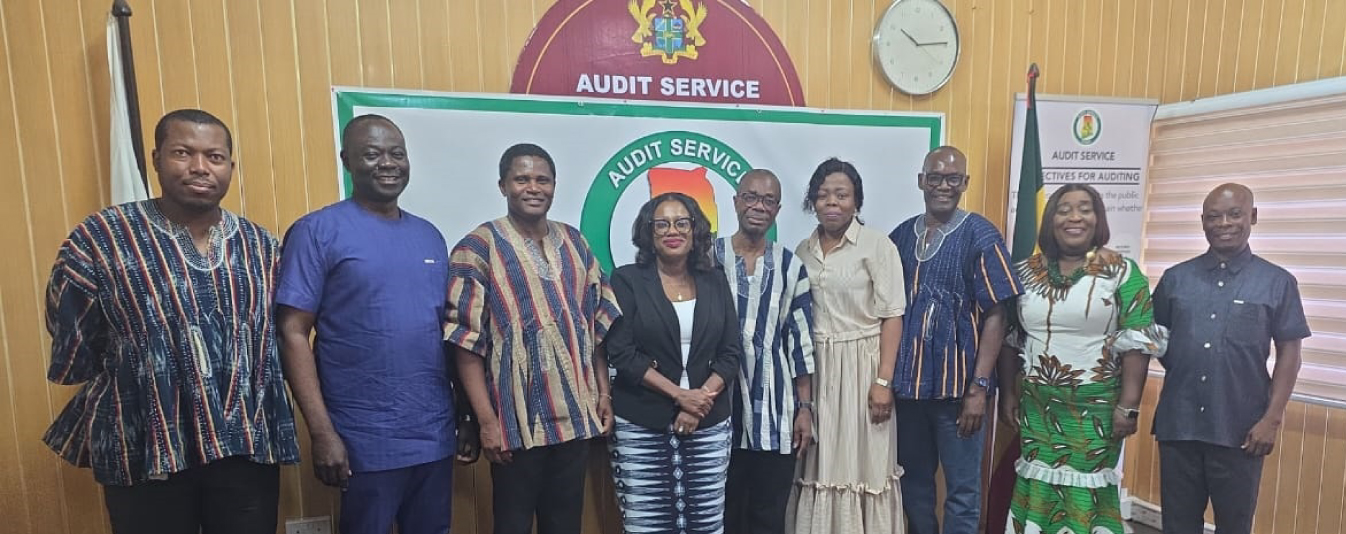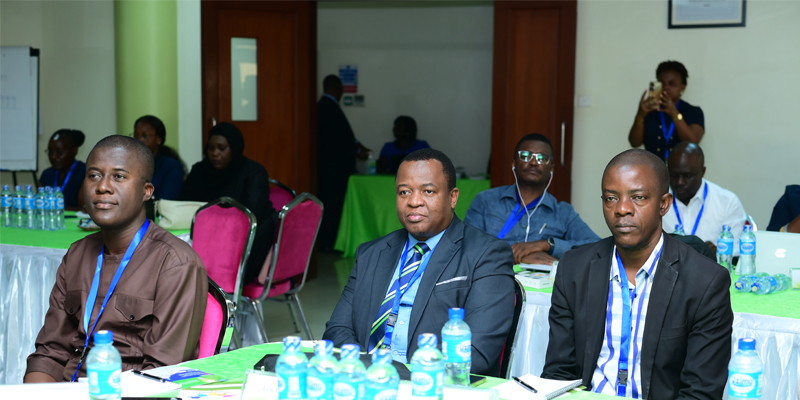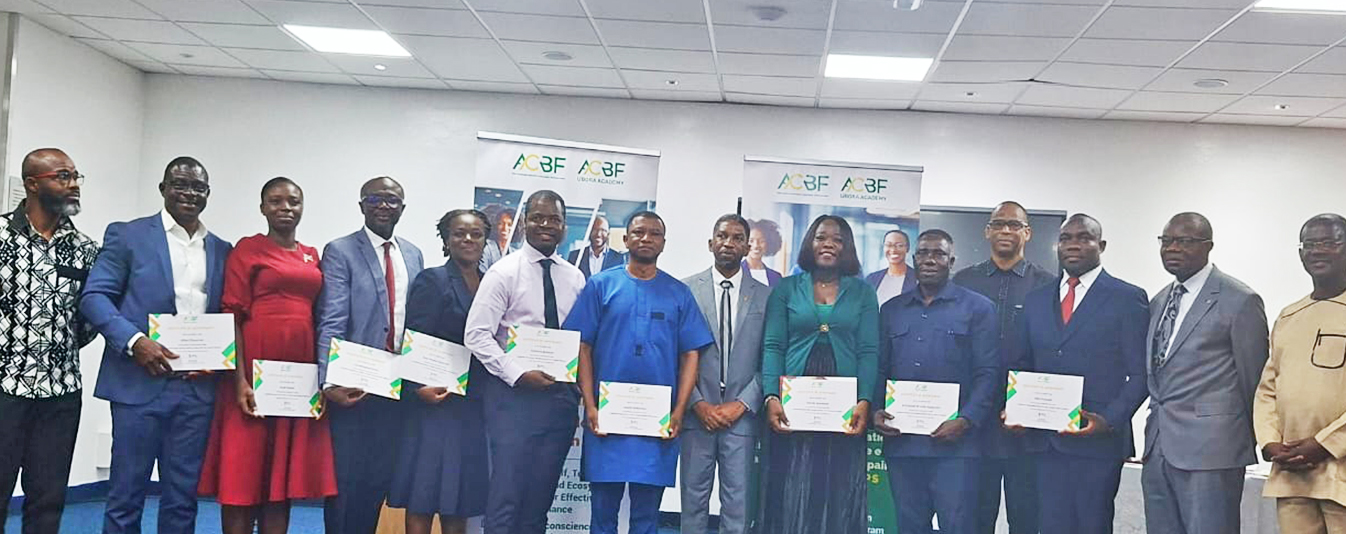
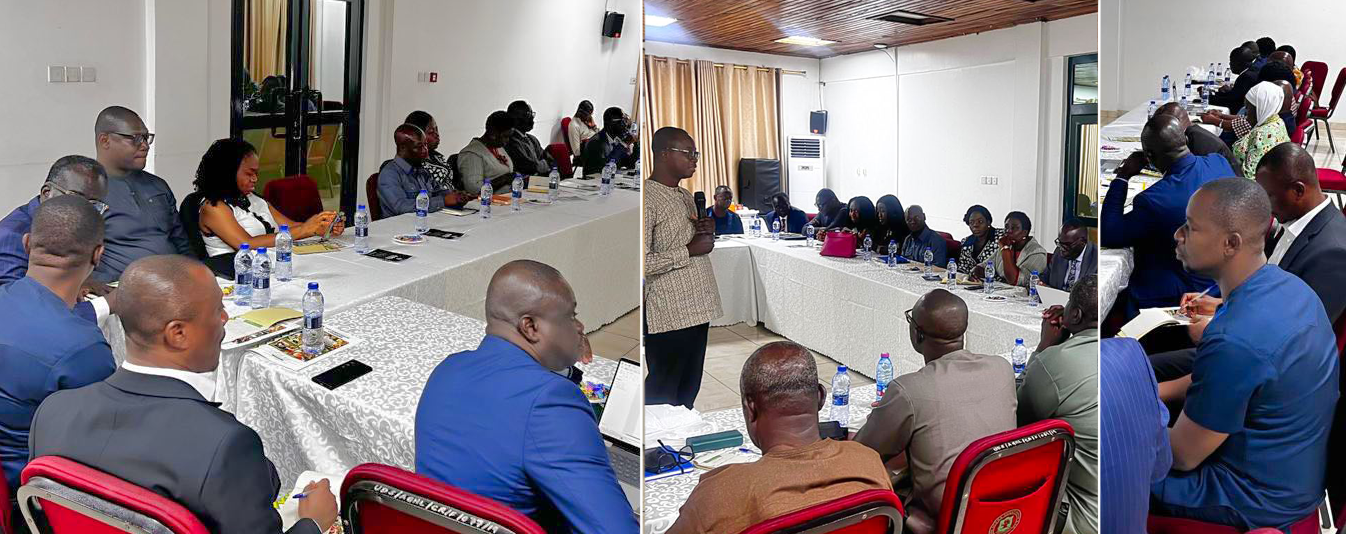
The Auditor-General, Mr. Johnson Akuamoah Asiedu, has emphasized the role of audit reports in promoting transparency, accountability, and national stability during a workshop for Assistant Auditors-General (AAG).
Opening the workshop, Mr. Akuamoah Asiedu recalled a recent emergency meeting with the Minister for Finance, where the Minister highlighted the profound influence of the Auditor-General’s reports. “Whether Ghana’s democracy succeeds, whether we have peace or strikes, depends on our report,” he said.
He explained that institutions and our stakeholders treat the Auditor-General’s reports as sacrosanct and expect it to be accurate and preferably perfect.
He further reminded the AAG’s of President Mahama’s announcement in October 2025 of the creation of special courts to handle cases arising from audit findings. These courts will focus on enforcing surcharges and disallowances, as well as prosecuting other infractions identified in the Auditor-General’s reports.
The Auditor-General in acknowledging that while different stakeholders use the report for various purposes, the Office must produce information that can withstand scrutiny and remain authoritative over time.
“We must ensure our reports are defensible, reliable, and credible, because from 2025, every report we produce could go to court following the establishment of the Special Commercial Court,” he added.
Mr. Akuamoah Asiedu noted that auditors sometimes report on trivialities alongside major financial mismanagement, which can dilute the impact of the report.
He also cautioned that assigning monetary values to administrative issues most often misleads the public into thinking that all reported amounts represent stolen funds. “This undermines the credibility of our work and can affect public confidence,” he said.
To address these challenges, he outlined a new approach:
- Financial Irregularities: Focused on misappropriated funds and recoverable losses. This allows the public to see what has been lost and what must be recovered.
- Administrative Infractions: Covers internal control weaknesses and administrative issues without assigning monetary values.
The Auditor-General explained that this structure will enhance clarity, strengthen accountability, and continuously improve the quality of reports.
The workshop focused on brainstorming to produce reports of the highest quality, accurate, defensible, easy to understand, and capable of standing the test of time.